
No evidence of fuel retailers exploiting Middle East crisis, says competition watchdog
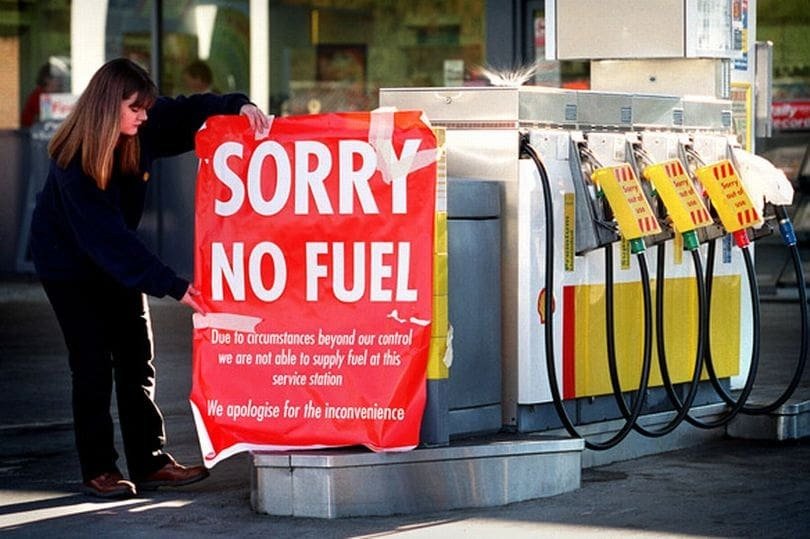
The Competition and Markets Authority (CMA) has found no evidence that fuel retailers actively changed their pricing strategies to take advantage of the recent Middle East crisis, although it warned that concerns over competition in the UK road fuel market remain. The CMA report, published today (18 August) assesses the impact of the conflict in […]
Why do gasoline prices fluctuate?
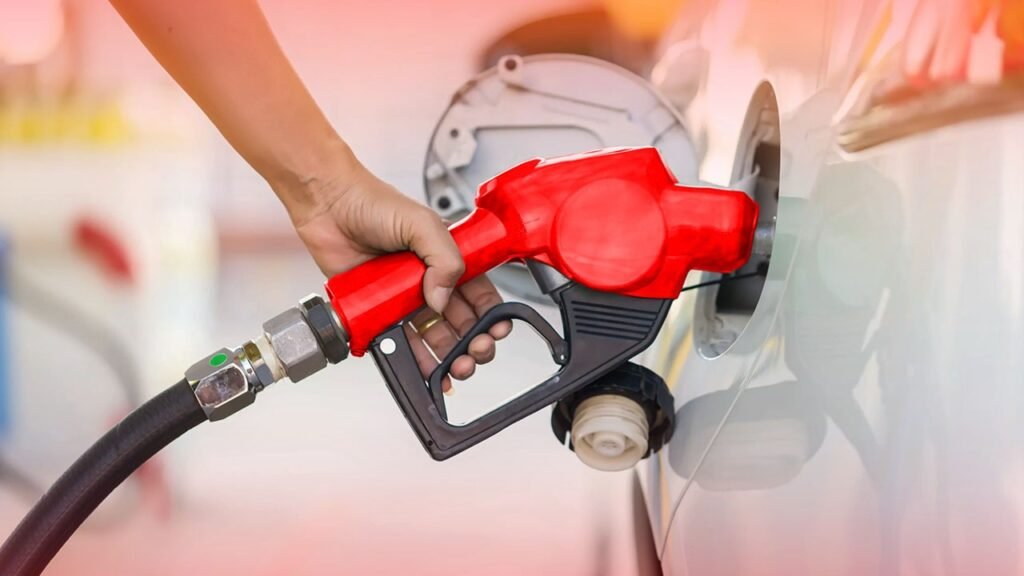
Retail gasoline prices are mainly affected by crude oil prices and the amount of gasoline available to meet demand. Strong and increasing demand for gasoline and other petroleum products in the United States and the rest of the world can place intense pressure on available supplies. did you know? Gasoline prices generally follow crude oil prices. U.S. […]
Managing and Reducing Wastes: A Guide for Commercial Buildings
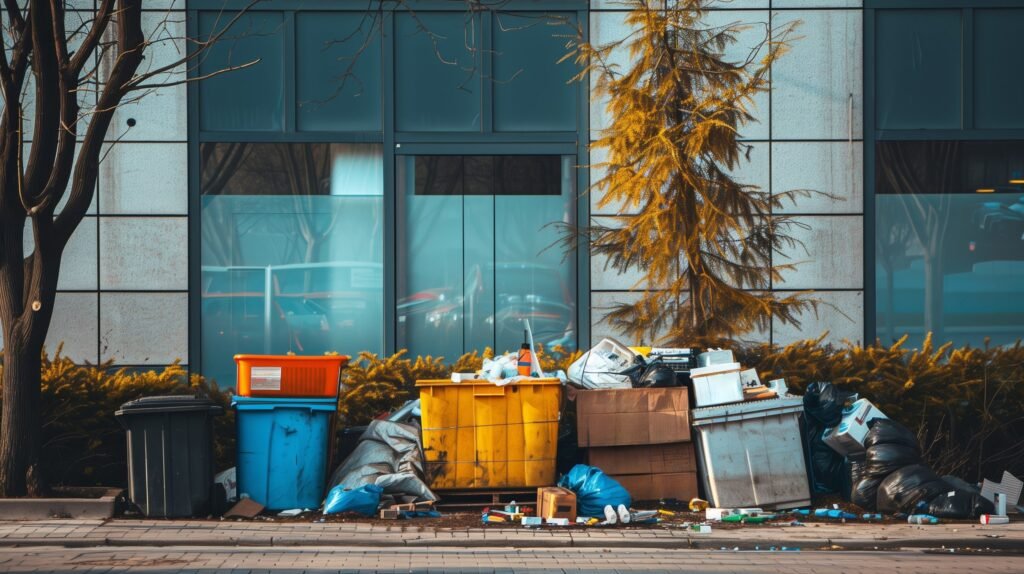
Office buildings, schools, stores, hotels, restaurants and other commercial and institutional buildings generate significant amounts of materials and waste. Here are tools and resources to help facility managers, building owners, tenants and other stakeholders improve waste management in their buildings, reduce costs and enhance sustainability. On this page: Benefits of Addressing Waste Track Waste Team […]
Environmental Compliance: An Overall Guide

Environmental compliance is vital in ensuring organizations operate responsibly within regulatory frameworks while minimizing their environmental impact. As industries face increasing scrutiny, adhering to environmental regulations isn’t just a legal obligation—it’s a critical part of sustainable operations. This guide explores the key aspects of environmental compliance, from its definition and benefits to actionable steps for […]
Fuel Spill Response Fundamentals
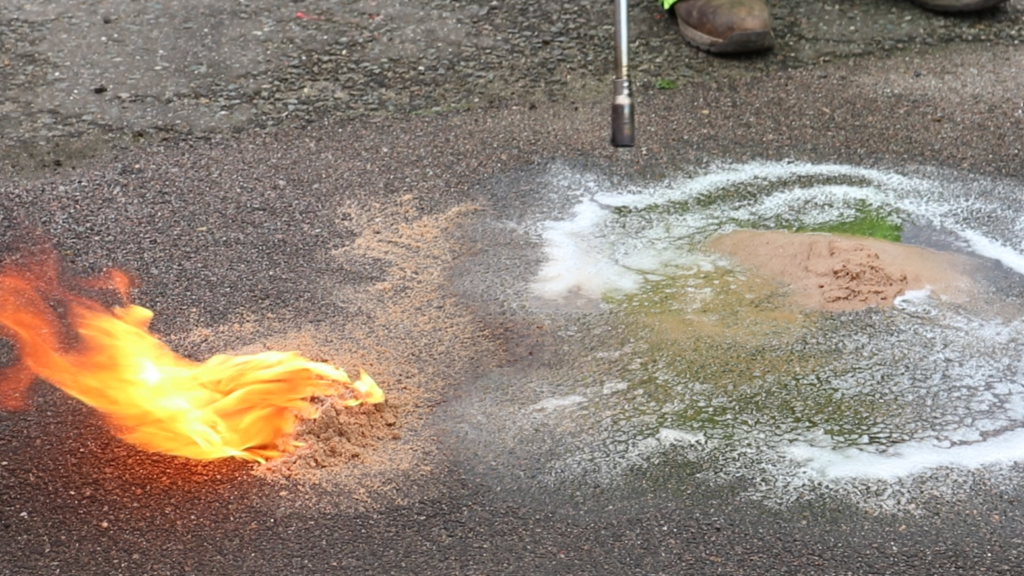
“Gasoline and diesel are toxic and potentially very dangerous to people and the environment.” Various fuel spills and leaks can occur at any fuel station. For the safety of everyone at your store, employees must be prepared to respond to fuel spills safely, quickly, and effectively. This module covers different types of spills, as well […]
Environmental Impacts of Fuel Stations
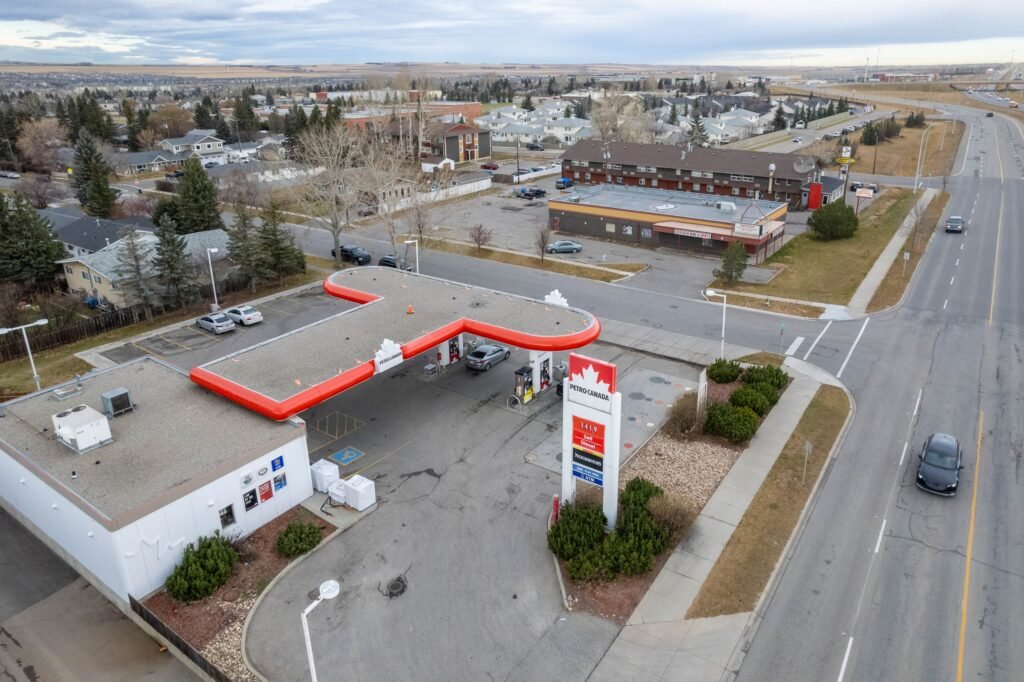
Fuel stations, while essential for modern transportation, present a range of environmental risks that extend well beyond their immediate footprint.1 These impacts span air, soil, water, and ecological systems, with effects that can persist for decades if not properly managed. Air Pollution Volatile Organic Compounds (VOCs) and Benzene Gasoline is highly volatile. During storage, transfer, and […]
Groundwater Contamination
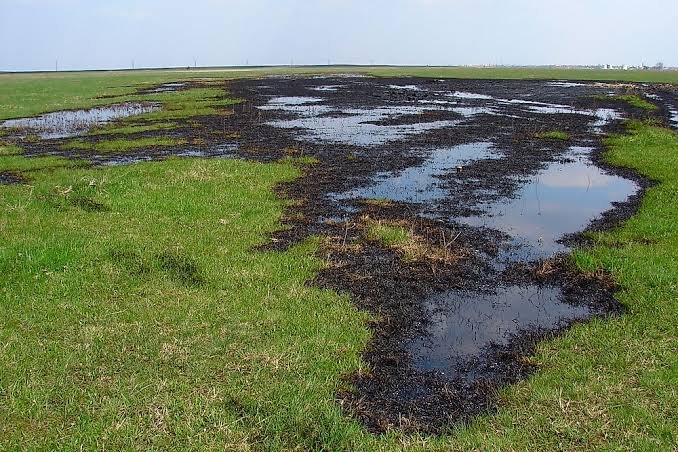
Over 50% of the United States population depends on groundwater for drinking water. Groundwater is also one of our most important sources of water for irrigation. Unfortunately, groundwater is susceptible to pollutants. Groundwater contamination occurs when man-made products such as gasoline, oil, road salts and chemicals get into the groundwater and cause it to become […]
Bioremediation Strategies for Soil Contamination

Industrial activities and agricultural intensification have accelerated soil contamination worldwide, threatening human well-being and the ecosystem. Petroleum hydrocarbons, heavy metals, pesticides, and emerging organic pollutants degrade soil quality and impair ecosystem services, highlighting the need for sustainable remediation approaches. Bioremediation employs microorganisms (archaea, fungi, and bacteria) to degrade, immobilize, or transform contaminants into non-toxic forms. […]
Petroleum-contaminated soil: environmental occurrence and remediation strategies
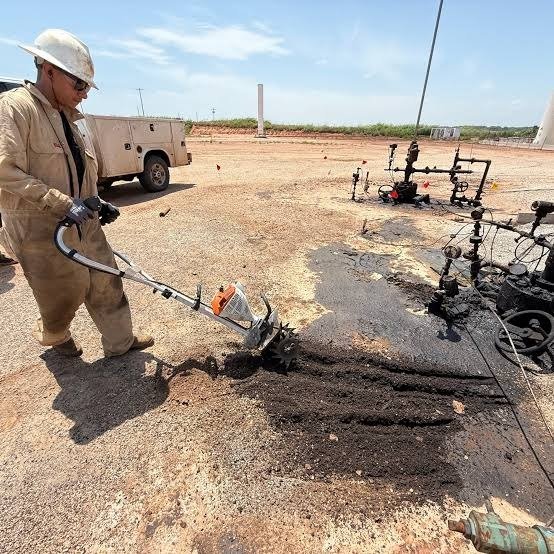
Soil is an environmental matrix that carries life for all living things. With the rise of human activities and the acceleration of population, the soil has been exposed in part to pollution by the discharge of various xenobiotics and persistent pollutants into it. The disposal of toxic substances such as polycyclic aromatic hydrocarbons (PAHs) alters […]